
High Cholesterol Tyler TX | Fatigue, Headaches & Heart Risk
December 29, 2025Is Sleep Apnea Quietly Destroying Your Health? What Every East Texas Driver and Spouse Needs to Know
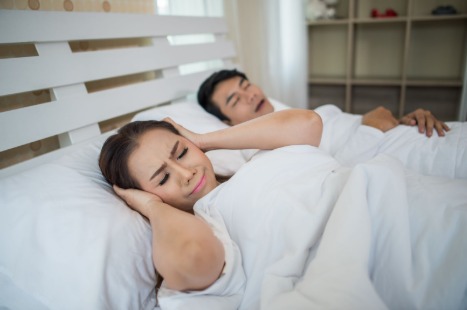
If you’re reading this while sitting in a Tyler traffic jam on Loop 323 or waiting for your coffee at the Pilot on I-20, pay attention: the loud snoring you laugh about could be the reason you’re always tired, your blood pressure keeps climbing, and one day it might just stop your heart while you sleep.
We see it every single day at the clinic on Old Jacksonville Highway: truck drivers fighting to keep their CDL, wives finally dragging their husbands in, oil-field workers in their 40s who swear they’re “just getting old.” The truth? They’re not getting old; they’re slowly suffocating hundreds of times every night.
This is obstructive sleep apnea — and it’s one of the most under-treated health threats in East Texas.
Can Sleep Apnea Kill You? Yes — And It Does
Every time your airway collapses, your brain jolts you awake just enough to breathe again. You don’t remember it, but your heart does.
Each episode:
- Drops your blood oxygen into the danger zone
- Spikes your blood pressure like you just ran a sprint
- Floods your body with stress hormones
Do that 30, 60, or 100+ times per hour, every single night, for years?
The consequences are brutal:
- Sudden death in sleep (most common between midnight and 6 a.m.)
- Heart attacks and strokes
- Atrial fibrillation that won’t stay controlled
- Type 2 diabetes that appears “out of nowhere”
- Falling asleep at the wheel on long hauls
Men with severe untreated sleep apnea are up to three times more likely to die in their sleep than men without it. For commercial drivers, the FMCSA no longer looks the other way — untreated moderate or severe sleep apnea can end your career overnight.
The Hidden Reason Your Blood Pressure Won’t Come Down

Patient after patient walks in with a list of blood pressure pills that keeps growing. They’re doing everything “right” — low salt, walking, taking meds — but the numbers stay high.
Here’s what most doctors miss: sleep apnea is one of the most common causes of resistant hypertension.
Every time you stop breathing, your body thinks it’s drowning. Blood vessels clamp down. Adrenaline surges. Blood pressure rockets — sometimes 40–50 points in seconds.
We’ve watched patients drop an entire blood pressure medication (sometimes two) within 60–90 days of starting CPAP, just because their body finally gets real rest at night.
The Signs of Sleep Apnea You’ve Been Ignoring
-
You don’t need all of these. Even three should make you pick up the phone today.
- Loud, chronic snoring (especially if your spouse sleeps in another room)
- Waking up gasping or choking
- Your partner sees you stop breathing (even for 10–20 seconds)
- Morning headaches that fade after coffee
- Feeling wrecked no matter how early you went to bed
- Dozing off the second you sit still — TV, passenger seat, red lights
- High blood pressure that’s hard to control
- Neck size 17" or larger (men) / 16" or larger (women)
- Waking up with a dry mouth or sore throat
- Brain fog, irritability, or depression that won’t lift
Truck drivers: If you’re fighting sleep on the Dallas–Shreveport run or your wife threatens divorce over the snoring — this is your wake-up call.
Why East Texas Truck Drivers Can’t Ignore This Anymore

Treatments That Actually Work (And Feel Doable)
- CPAP/APAP/BiPAP — still the gold standard (modern machines are quiet and comfortable)
- Custom oral appliances for mild-moderate cases
- Inspire therapy (the no-mask implant) for the right candidates
- Weight loss — even 10–15% can cure mild cases
- New daytime medications and positional devices
Most patients tell us they felt human again within the first week.
Take the First Step Today
If you recognize yourself or your partner in any of this, don’t wait for the heart attack, stroke, or DOT failure.
Call (903) 231-5552 or book online. Same-day DOT physicals and sleep apnea screenings available. Walk-ins welcome Monday–Friday 8 am–5 pm.
3347 Old Jacksonville Hwy, Suite 100
Tyler, TX 75701
Because sleep apnea doesn’t get better on its own — but it gets worse.