
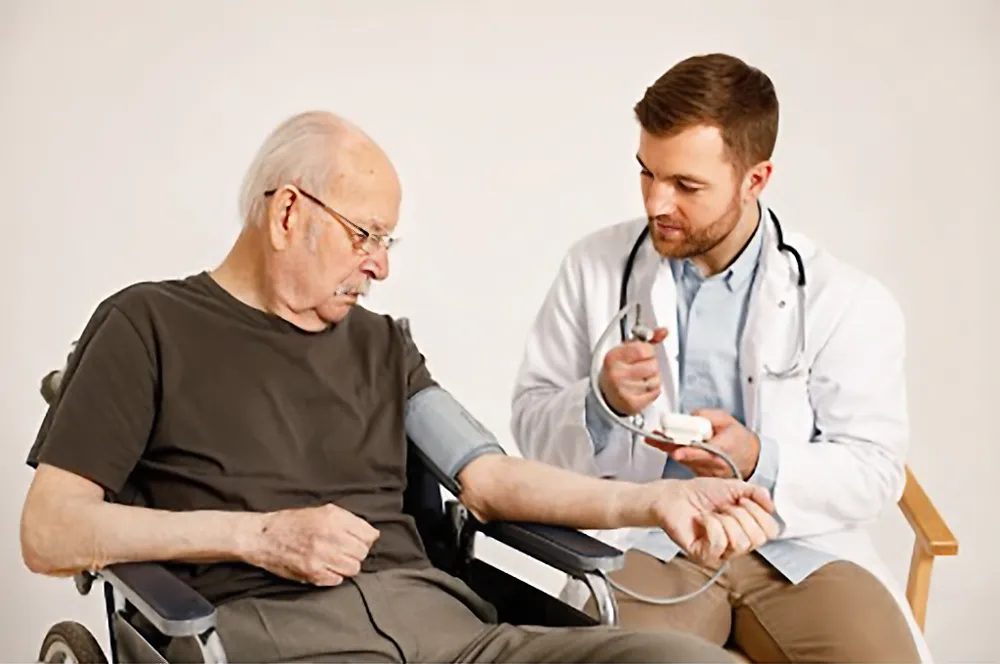
High blood pressure remains the leading cause of heart attacks, strokes, and kidney disease in Tyler and across East Texas. Most people feel perfectly fine — until suddenly they don’t. This guide explains the different stages, when high blood pressure becomes life-threatening, and exactly what you should do next.
The Silent Link Between Hypertension and Heart Disease
When blood pressure stays elevated for years, it quietly damages arteries and forces the heart to work harder. Over time this leads to:
- Enlarged heart muscle (left ventricular hypertrophy)
- Coronary artery disease and heart attacks
- Heart failure
- Atrial fibrillation
- Ruptured blood vessels in the brain (stroke)
Lowering blood pressure — even by just 10 points — dramatically reduces these risks.
Hypertension Stage 2: When Treatment Can’t Wait
Current guidelines classify blood pressure as follows:
| Category | Reading | Risk if Keep Doing What You’re Doing |
|---|---|---|
| Normal | < 120/80 | Level & Action Needed |
| Elevated | 120–129/<80 | Lifestyle changes now |
| Stage 1 Hypertension | 130–139 or 80–89 | Usually start one medication |
| Stage 2 Hypertension | ≥ 140/90 | High risk — typically requires two medications + urgent follow-up |
If your readings are consistently at hypertension level 2, national guidelines recommend starting or intensifying treatment within days, not weeks.
Hypertensive Emergency vs Urgency: Know the Difference
Both involve readings ≥ 180/120, but the presence of symptoms changes everything.
| Condition | Blood Pressure | Symptoms | What to Do |
|---|---|---|---|
| Hypertensive Urgency | ≥ 180/120 | Usually none or mild (headache, anxiety) | Call your doctor same day for medication adjustment |
| Hypertensive Emergency | ≥ 180/120 | Chest pain, shortness of breath, confusion, severe headache, vision loss, weakness, seizure | CALL 911 — this is a medical emergency |
A hypertensive emergency means organs are actively being damaged. Every minute counts.
Red-Flag Symptoms — Go to the ER Immediately
Very high blood pressure + any of these = 911:
- Crushing chest pain
- Sudden severe headache with confusion or vomiting
- One-sided weakness or trouble speaking
- Sudden blindness or double vision
- Seizure
- Can’t breathe when lying flat
When to Get Checked This Week
Come in right away if:
- You’ve never had an accurate blood pressure reading
- Your home monitor regularly shows 140/90 or higher
- You were told you have hypertension level 2 but haven’t followed up in months
- You’re having any of the emergency symptoms above
Same-day and walk-in blood pressure checks are always available for established patients.
Ready to protect your heart and lower your risk?
Call (430) 413-4716 or book online today for a full hypertension and heart disease evaluation.
3347 Old Jacksonville Hwy, Suite 100
Tyler, TX 75701
Open Monday–Friday 8 am–5 pm